Why an NZ Personal Alarm Makes Sense for Senior Safety at Home and Beyond
I spent a decade working alongside families navigating the transition into aged care, and one thing I have heard over and over is the quiet worry that sits beneath everyday life. It is not the big medical events that keep people awake at night. It is the small moments: a parent who lives alone, a spouse who forgets to take their phone when they go out to the garden, the fear that if something happened no one would know until hours later. That is the gap a good medical alert system is meant to fill, and the options available in New Zealand have changed a lot in recent years. The idea of an NZ personal alarm has moved past the old pendant that only worked inside the house. It now means something more practical, more connected, and easier to live with day to day.
When I first started looking into these systems for a relative, I was surprised by how many small design choices made the difference between something that got worn and something that stayed in a drawer. Battery life mattered more than I expected. So did the fit of the waterproof pendant, and whether the alarm button was easy to press without looking. Those details do not show up in a spec sheet, but they decide whether the system actually gets used. That is the real test for any personal emergency pendant: not what it promises on the box, but whether it becomes a natural part of someone's routine.
What Changes When You Have a Real Safety Net
The shift I have seen in New Zealand is that families are no longer satisfied with a device that only calls a monitoring centre. They want to stay involved. They want to know what happened, not just that something happened. That is where family monitoring comes in. Instead of handing all responsibility to a remote call centre, the system can send alerts directly to a caregiver or a family member. That changes the dynamic entirely. You are not waiting for a stranger to check on your parent. You get a notification on your phone, you see the location, and you can decide how to respond. For a lot of families, that sense of connection is worth more than any feature list.
I remember talking to a woman whose father lived on a lifestyle block near Cambridge. He was stubbornly independent, still mending fences and shifting sheep well into his eighties. She had tried three different alert systems before she found one that stuck. The first two were too complicated. The third had a pendant that was too heavy to wear comfortably under a shirt. What finally worked was a system with a lightweight waterproof pendant that he could wear in the shower, with a battery life long enough that he did not have to remember to charge it every week. That is the practical reality of senior safety. It is not about having the most advanced technology. It is about having something that fits into the life someone actually lives.
Beyond the Button: Fall Detection and GPS Tracking
The biggest change in recent years is fall detection. Most serious injuries among older adults come from falls, and the scary part is that a lot of people cannot press the alarm button after they have fallen. They might be unconscious, disoriented, or simply unable to reach the pendant. Automatic fall detection solves that by sensing the impact and the change in position, then raising an alert even if the person never touches the button. That is a genuine safety net, not just a convenience. I have seen it give families real peace of mind, especially when the person lives alone or spends time in parts of the house where they might not be found quickly.

GPS tracking takes that further. An NZ personal alarm with built-in GPS means the system works outside the home as well. If someone goes for a walk, visits a neighbour, or gets confused while out shopping, the location can be shared with the caregiver. That is not about surveillance. It is about having a way to find someone quickly if they do not come home at the expected time. For families dealing with early stages of dementia or memory loss, that feature alone can make the difference between letting someone keep their independence and having to restrict their movement. The location sharing is optional, of course. But knowing it is there changes how families plan their days.
Two-Way Calling and the Human Element
One feature I think does not get enough attention is two-way calling. A lot of systems let you press a button and send an alert, but the best ones let you speak to someone through the pendant itself. That matters more than you might expect. When an older person falls or feels unwell, they can talk directly to a trained responder, explain what happened, and get reassurance while help is on the way. It is not just about dispatching an ambulance. It is about reducing the panic that sets in during those first few minutes. In New Zealand, services like St John provide that kind of emergency response, and having direct voice contact makes the whole process feel less clinical and more human.
I have also seen how two-way calling helps in situations that are not emergencies. Someone might feel unwell but not know whether they need an ambulance. They can talk it through with a responder, describe their symptoms, and get advice. That reduces unnecessary callouts while still giving the person a lifeline when they are uncertain. It is a small thing, but it makes the system feel like a support tool rather than just an emergency button.
No Monthly Fees and What That Means for Real Use
One of the recurring frustrations I have heard from families is the cost that creeps up month after month. Many medical alert systems in New Zealand charge ongoing subscription fees, and over a few years those fees can add up to more than the device itself. That is why the idea of no monthly fees is such an important differentiator. When there is no recurring bill, people are more likely to keep the system active and use it without guilt. They do not have to think about whether they are getting value for money each month. They just wear it. For someone on a fixed income, that difference can be the deciding factor between getting a system and going without.
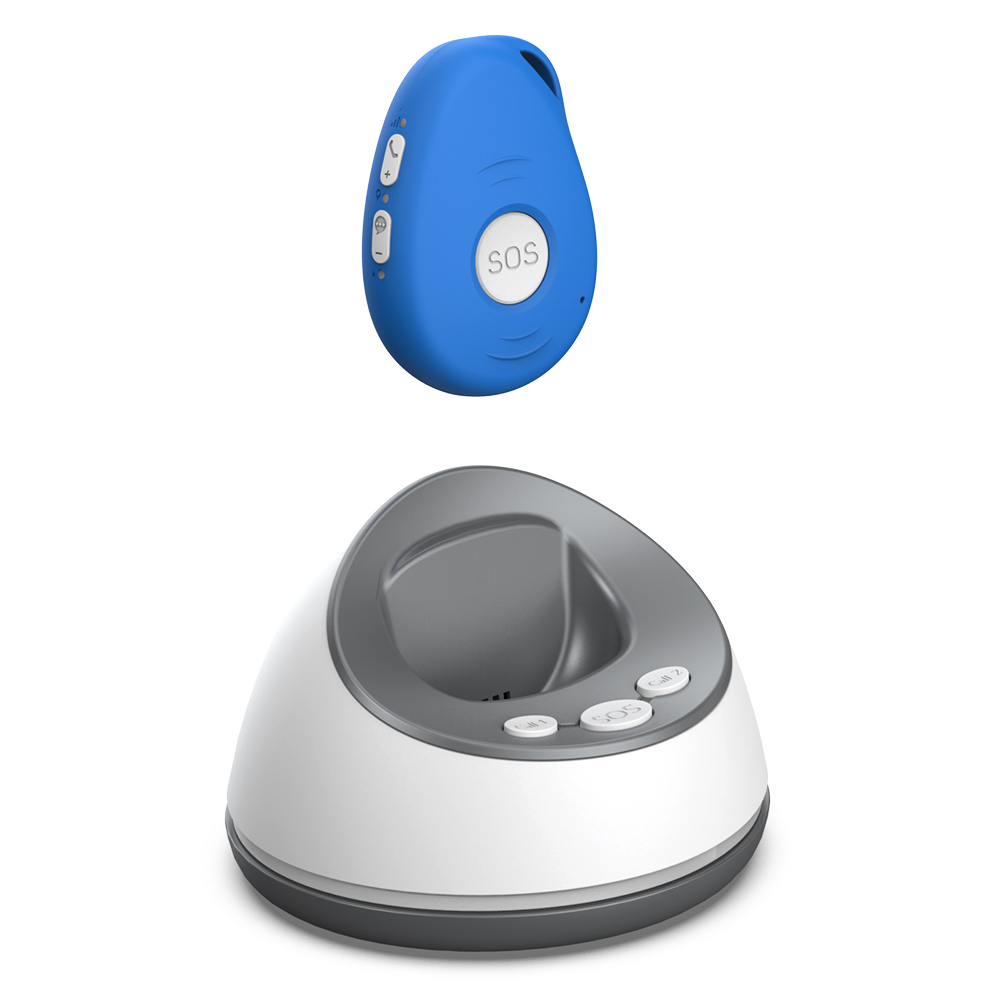
The business model shifts the focus to the device itself. The company has to make a product that works well enough that people keep using it, because there is no subscription revenue to fall back on. That aligns the incentives in a way that benefits the user. I have seen systems with no ongoing fees that still offer 24/7 support, regular battery checks, and a mobile app that lets family members check in. The absence of a monthly charge does not mean the service is stripped down. It just means the cost is front-loaded and transparent.
Choosing the Right System for Your Situation
If you are evaluating an NZ personal alarm for yourself or a family member, I would suggest thinking about the daily habits first. Does the person spend a lot of time outside? Then GPS tracking and a waterproof pendant are non-negotiable. Do they live alone? Then fall detection and two-way calling become more important. Is the family spread out across different cities? Then a system with good family monitoring through a mobile app will give everyone visibility without anyone having to be physically present.
I would also pay attention to the pendant design. It needs to be something the person will actually wear. Some people prefer a pendant that clips onto clothing. Others want something that goes around the neck. Some systems offer a wristband option. The best choice depends on the person's comfort and their daily activities. Battery life is another factor that matters more than most people realise. A pendant that needs charging every few days is a pendant that will get left on the charger. Look for something that goes weeks or months between charges, and that gives a clear warning before the battery runs out.
The health monitoring side of these systems is also worth considering. Some devices now track activity levels, sleep patterns, and subtle changes in routine. That data can alert a caregiver to a developing health issue before it becomes an emergency. If someone who usually moves around the house regularly suddenly becomes inactive, the system can flag that change. It is not a replacement for medical oversight, but it is an extra layer of awareness that helps families stay informed without being intrusive.

Final Thoughts on Senior Safety in New Zealand
The market for personal emergency pendants and medical alert systems in New Zealand has matured to the point where there are genuinely good options available. The technology is reliable, the design is getting better, and the pricing models are becoming more consumer-friendly. What matters most is finding a system that fits the specific needs of the person who will use it. That means thinking about their daily routine, their comfort with technology, their health conditions, and the level of involvement their family wants to have.
An NZ personal alarm is not a solution for every situation, but for a lot of families it is the piece that makes independent living feel safe again. It is the difference between worrying every time the phone does not get answered and knowing that if something goes wrong, help will arrive. That is a real change in quality of life, and it is one that more New Zealand families are discovering every year.